
What We’re Watching
Across Idaho, What We’re Watching brings our Preservation Priorities into focus at the local level while reflecting our commitment to statewide action. The list evolves as new threats emerge, and successes materialize. Advocacy in response to the specific needs of these important Idaho places shapes organizational action, promotes public outreach, and relies upon committee engagement.
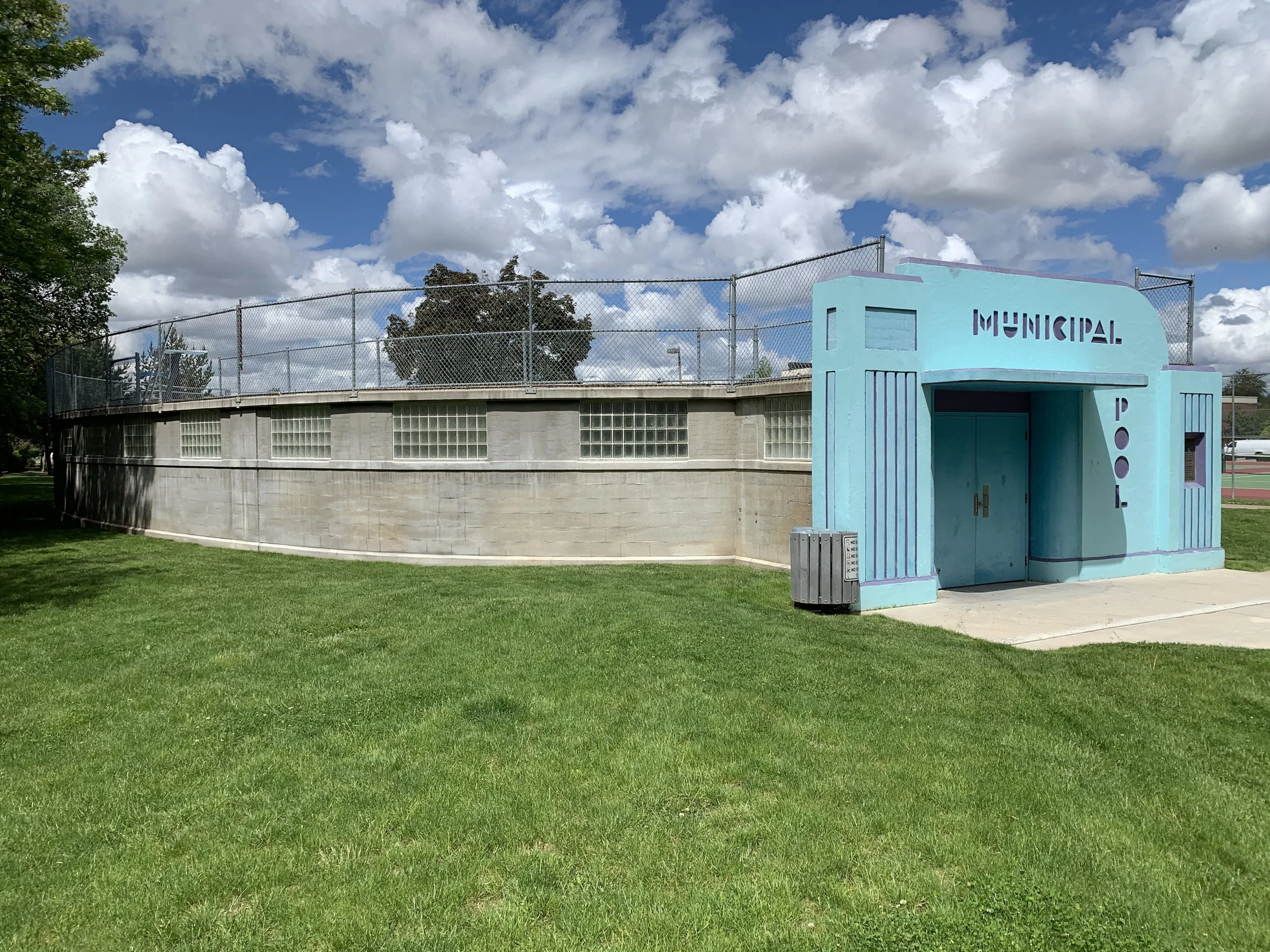
BINTZ POOLS, BOISE
Built in 1953, Boise’s National Register-listed Lowell and South Municipal Pools are excellent examples of the nation-wide work of Wesley Bintz, the designer of innovative above-ground swimming pools. Their primary architectural significance lies not in their Streamline Moderne-style façades but in the concept and execution of the above-ground pool buildings.
Today, the Lowell and South Pools are among the few remaining examples of this extremely rare building type. Following closure in 2020, the Boise City Council voted to rehabilitate the Lowell Pool while leaving the fate of the South Pool undetermined. In response to widespread public support, Preservation Idaho has partnered with Friends of Boise Historic Pools and the North End Neighborhood Association to press the city for a preservation-minded outcome for both landmarks.
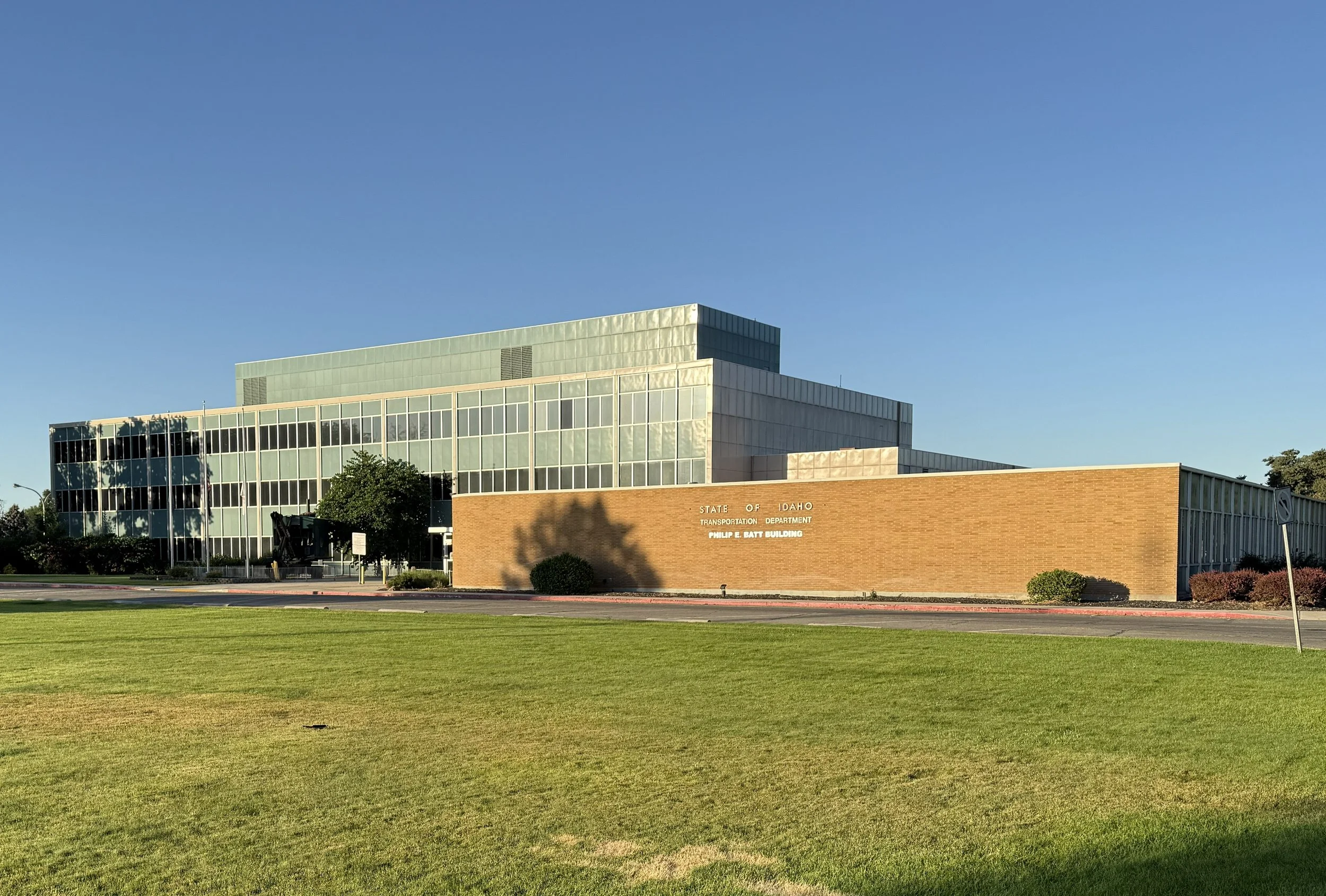
IDAHO TRANSPORTATION DEPARTMENT BUILDING, BOISE
The Idaho Transportation Department (ITD) Headquarters, designed by Charles Hummel and completed in 1961, is a shining example of International Style architecture and curtain wall design. After six decades of service to the State of Idaho, the building suffered extensive flood damage in January 2022 as the result of a frozen and burst pipe. The ITD building remains vacant while the state explores options to redevelop or sell the 44-acre campus. Preservation Idaho urges the rehabilitation of this landmark modernist masterpiece in any future use of the site.
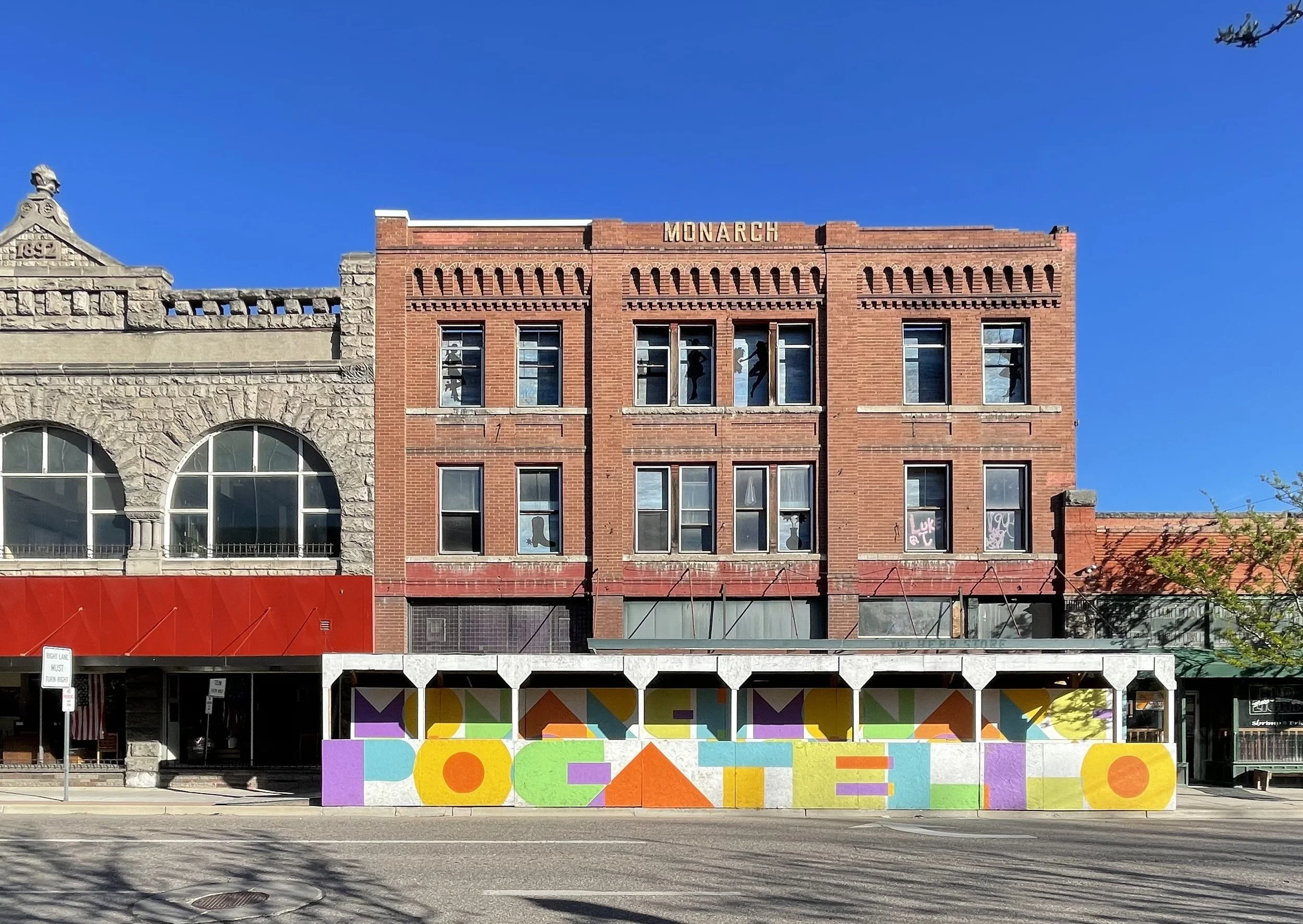
MONARCH HOTEL, POCATELLO
Constructed in 1909, the National Register-listed Monarch Building is an important landmark in downtown Pocatello, formerly home to the Monarch Hotel and other prominent businesses. Despite a devastating fire in 2014 that gutted the structure, the building retains its historic façade with original brickwork and could be rehabilitated. Preservation Idaho seeks to work with the City of Pocatello, which now owns the property, to find new and productive use for the still viable Monarch Building that honors local history and its architectural legacy.
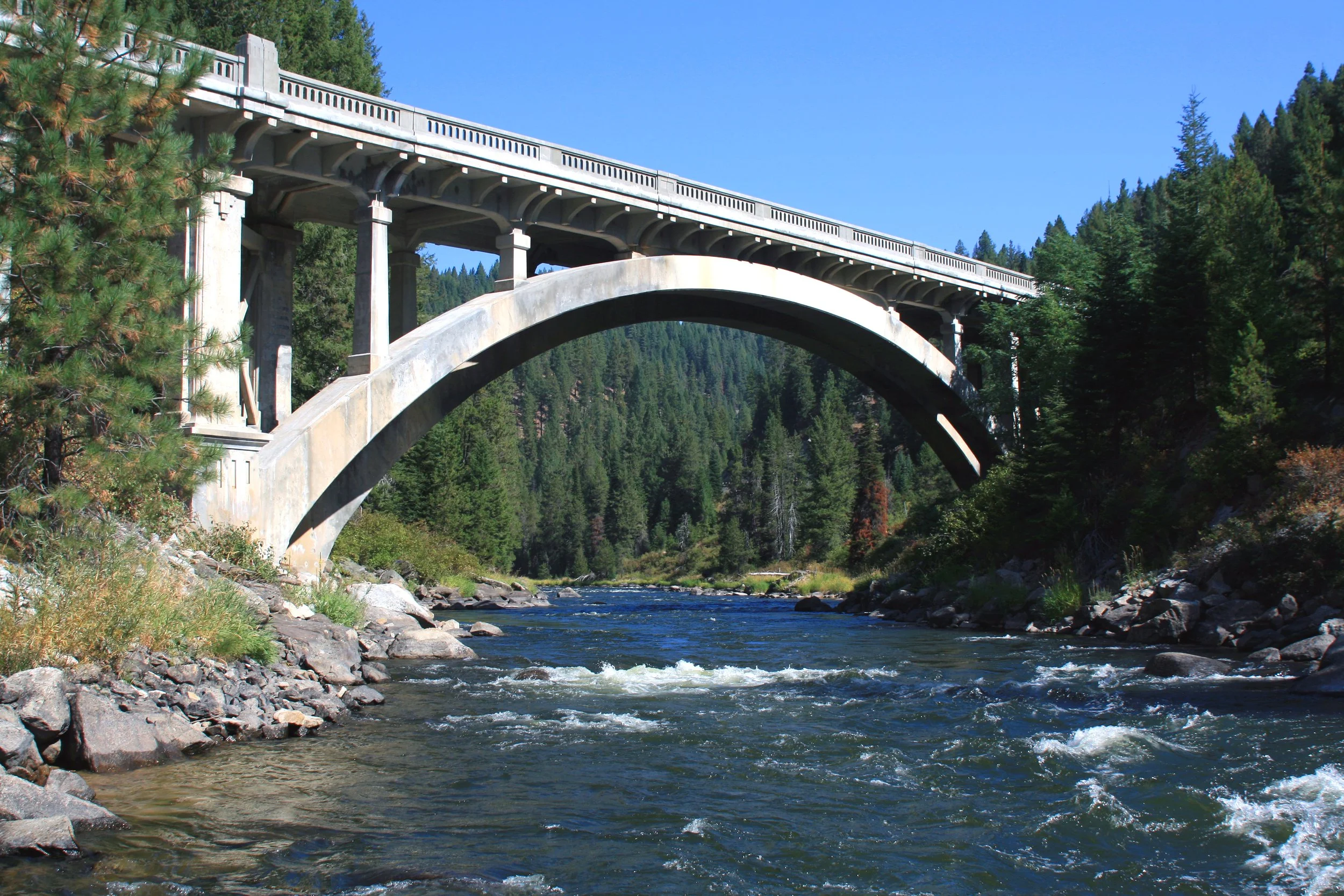
RAINBOW BRIDGE, VALLEY COUNTY
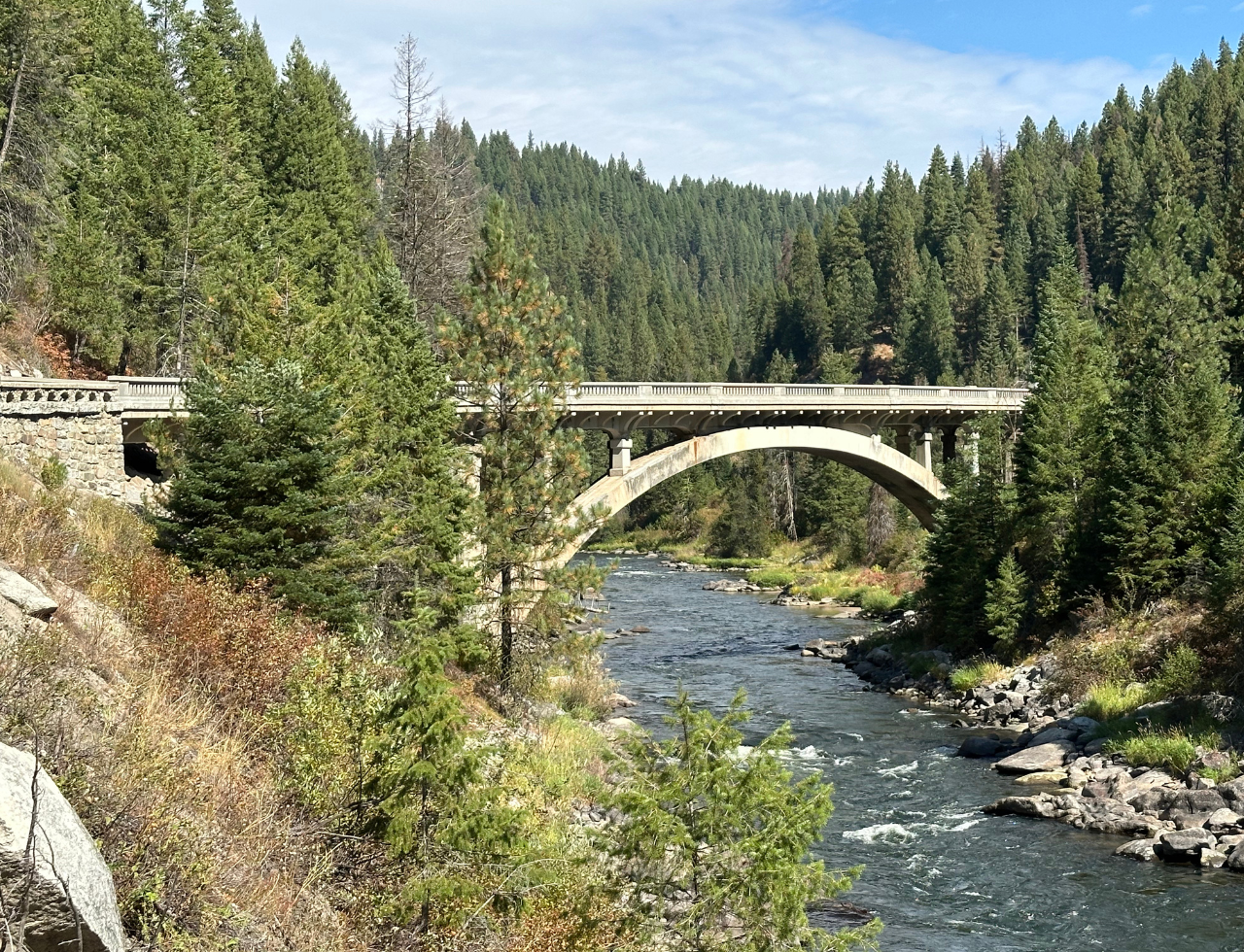
Designed by Charles A. Kyle in 1933, the Rainbow Bridge is an open-spandrel arch bridge constructed with reinforced concrete. It is the largest of its type in the state of Idaho and was listed in the National Register of Historic Places in 1999. This bridge is both an integral part of the Payette River Scenic Byway and iconic symbol of southwestern Idaho. The bridge is currently at risk, as the Idaho Transportation Department (ITD) plans to redesign the crossing and construct a replacement bridge. As part of this project, ITD has publicly stated its preference to demolish this beloved historic landmark. Preservation Idaho advocates for the historic bridge’s retention as a roadside amenity in any plan to construct a new span over the Payette River.
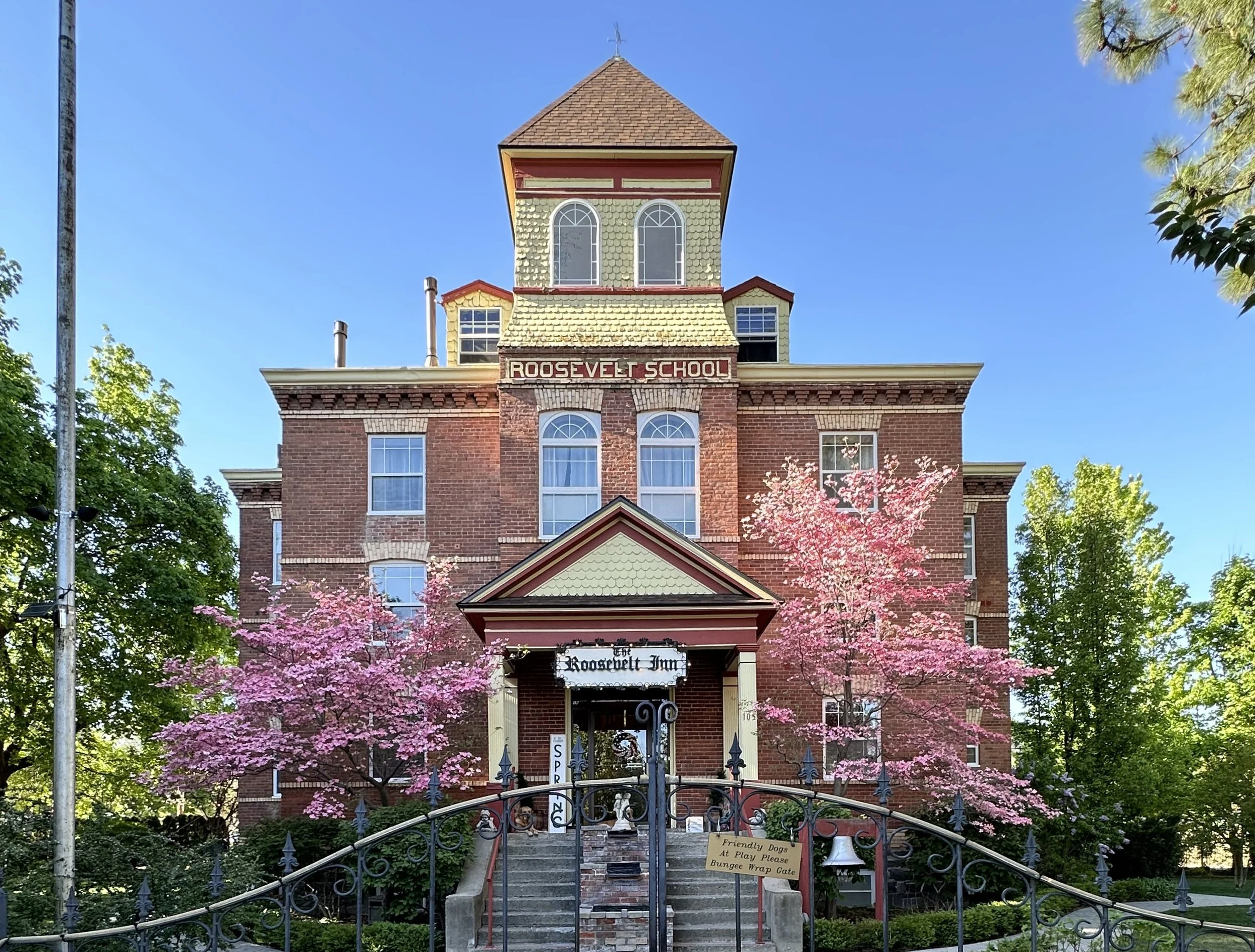
ROOSEVELT SCHOOL,
COEUR D’ALENE
Built in 1905, the Roosevelt School is a two-story Queen Anne brick structure that served to educate Coeur d’Alene children until 1971. Sold and reused, this city landmark served as a bed and breakfast until its sale in 2025. When initial redevelopment proposals threatened demolition for high-end townhomes, local advocates quickly organized, gathered over 6,000 signatures, and contacted Preservation Idaho for assistance. In response, city leadership worked with the property owners and an interested developer to partition the historic school building from the surrounding land so that it could be sold separately and saved through a preservation easement. Preservation Idaho continues to monitor this developing issue and seeks to partner with the developer to ensure a bright future for this historic Coeur d’Alene landmark.
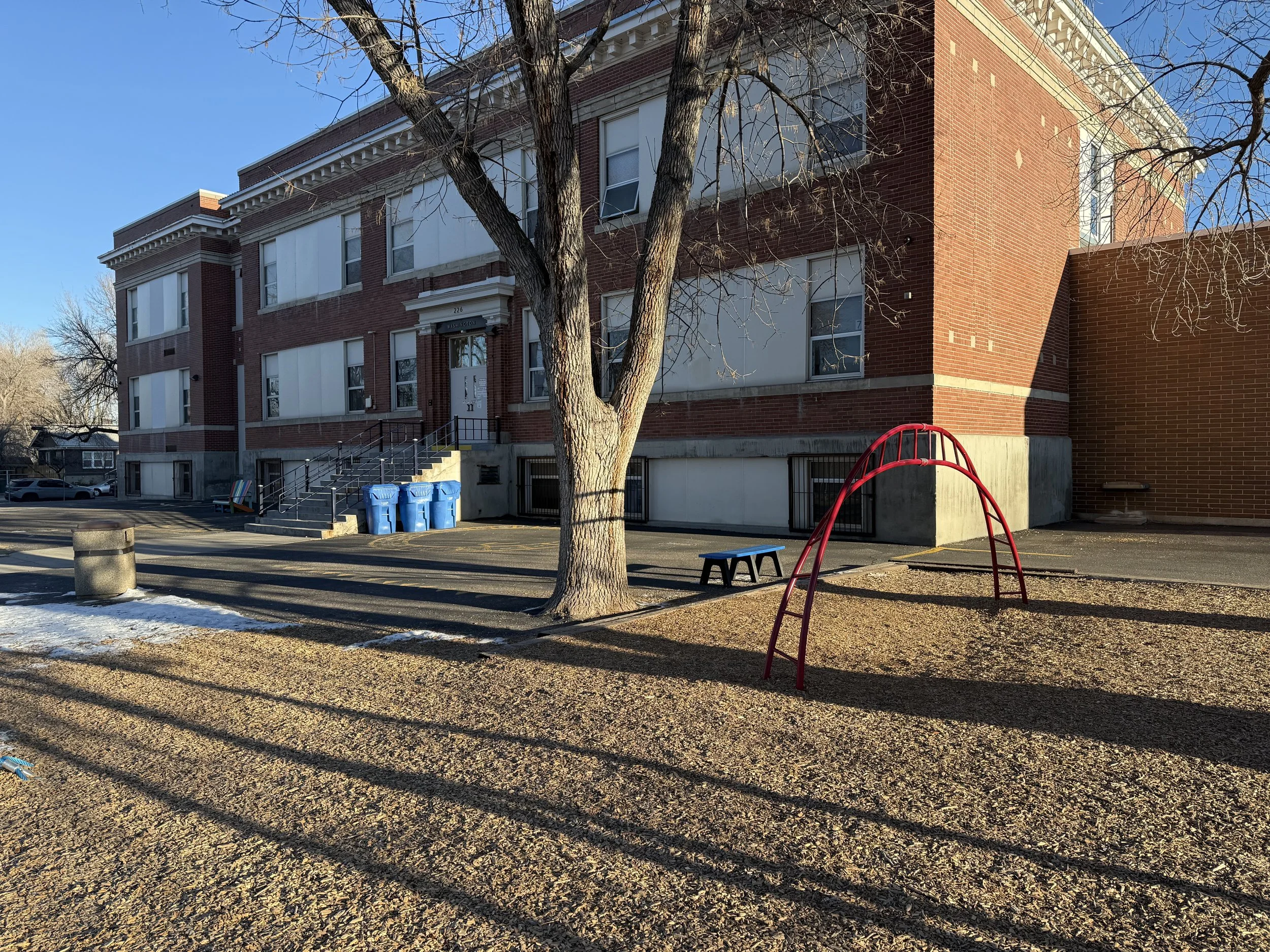
WASHINGTON SCHOOL, POCATELLO
Designed by famed local architect Frank Paradice, Jr., the Washington School has been a vital component of the Pocatello community for over a century, educating generations of students since its 1921 opening. In May 2025, the Pocatello-Chubbuck School District 25 closed the facility (the last historic public school operating in the city) due to declining enrollment district wide as well as mounting costs of deferred maintenance on the Classical Revival-style building. Preservation Idaho advocates for the preservation of this National Register-eligible landmark and its reopening as an educational institution in the heart of the walkable historic University Neighborhood.
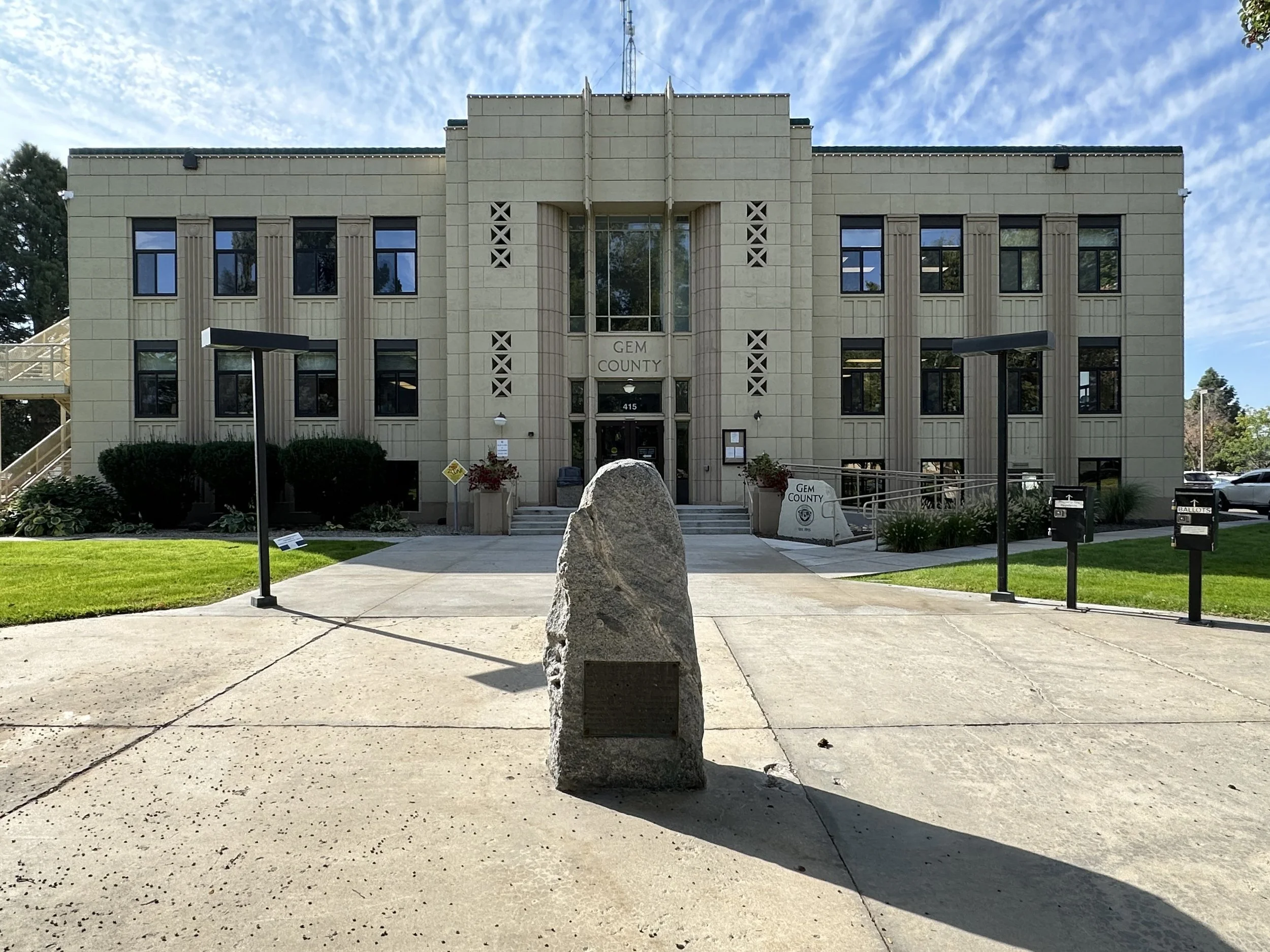
GEM COUNTY COURTHOUSE, EMMETT
Designed by Frank Hummel of Tourtellotte and Hummel and built in 1939, the Gem County Courthouse holds exceptional significance for its austere yet monumental PWA Moderne architectural style and is an outstanding surviving WPA-financed civic structure in Idaho. This National Register-listed landmark faces challenges from 21st century security requirements which dictate the need for additional space. Preservation Idaho advocates for a design solution that preserves the original façade and character-defining features while accommodating modern needs.
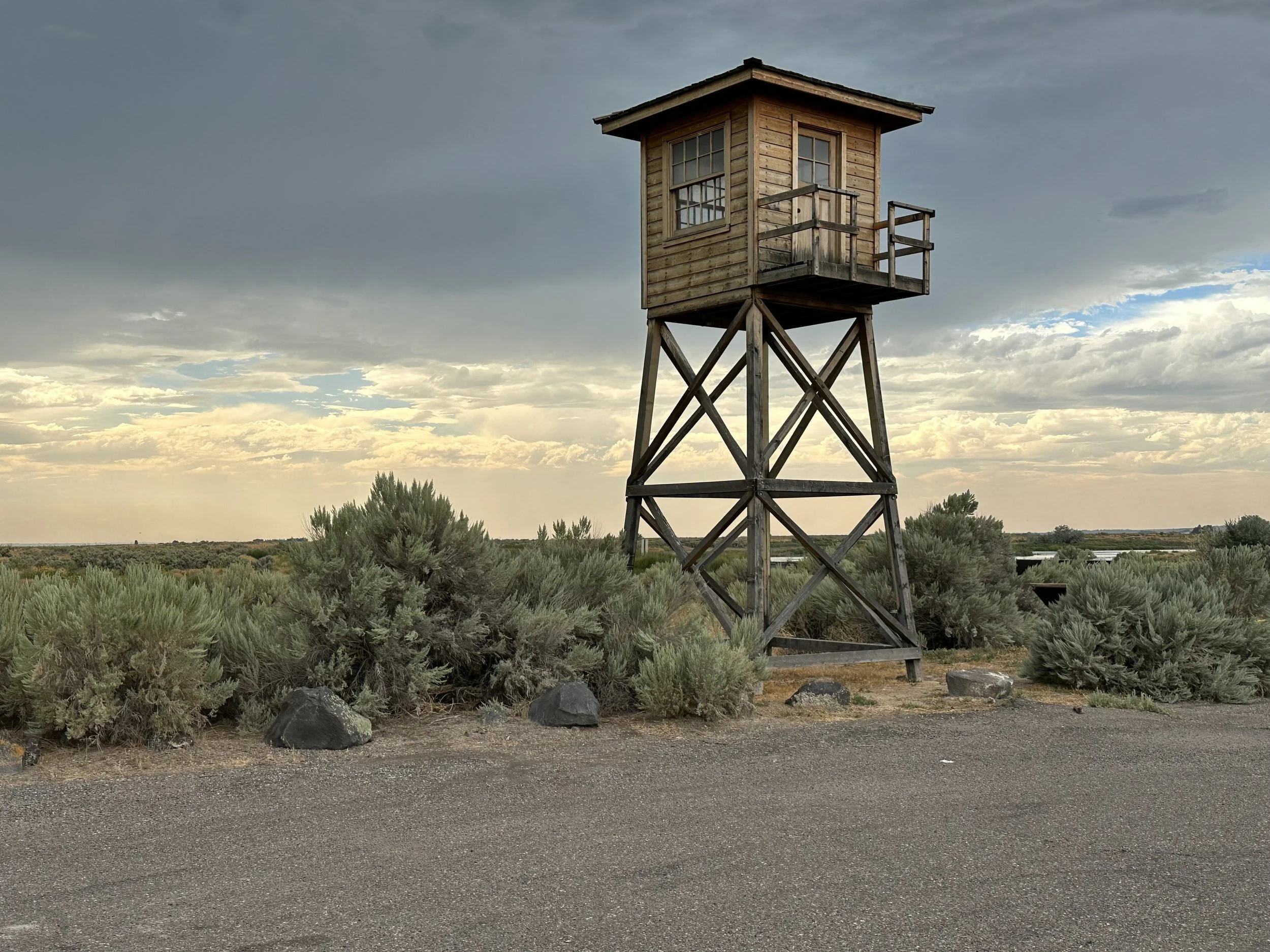
LAVA RIDGE, MAGIC VALLEY
Lava Ridge, a proposed power generation project, would be located on 104,000 acres of unique lava landscape managed by the Bureau of Land Management east of Shoshone. This proposal calls for 241 wind turbines that would be 660 feet high (taller than the Seattle Space Needle) to capture and transmit power to California. The project would seriously impact innumerable cultural resources spanning 15,000 years of human history including sites such as Wilson Butte Cave and the Minidoka National Historic Site. Preservation Idaho continues to monitor the project and works with partners to mitigate the impact of this and other similar projects.
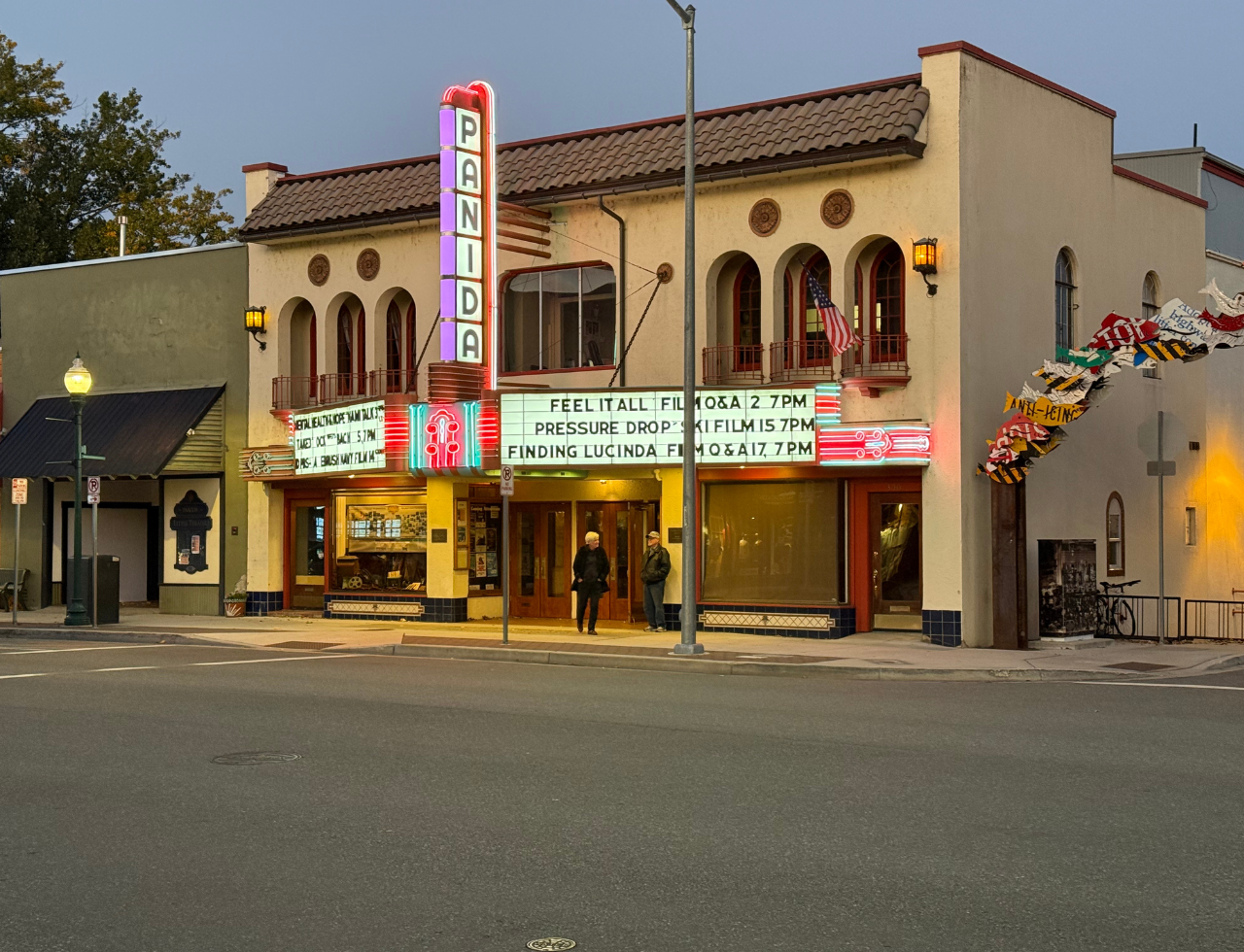
PANIDA THEATER, SANDPOINT
Opened in 1927 as a vaudeville and motion picture house, the Panida is among Idaho’s most architecturally significant historic theaters. Saved from the wrecking ball in the 1980s through the valiant grassroots efforts of the “Panida Moms,” this vibrant cultural hub today serves as the symbol and anchor of Sandpoint’s downtown historic district. As we approach its 100th birthday, the Panida’s board of trustees is planning an ambitious program of restoration and expansion of this National Register-listed landmark that will need to carefully balance modern functional requirements with retention of its character-defining historic features. Preservation Idaho advocates for the continued thoughtful stewardship of this beloved Sandpoint historic landmark as it strives to meet the needs of 21st century audiences.
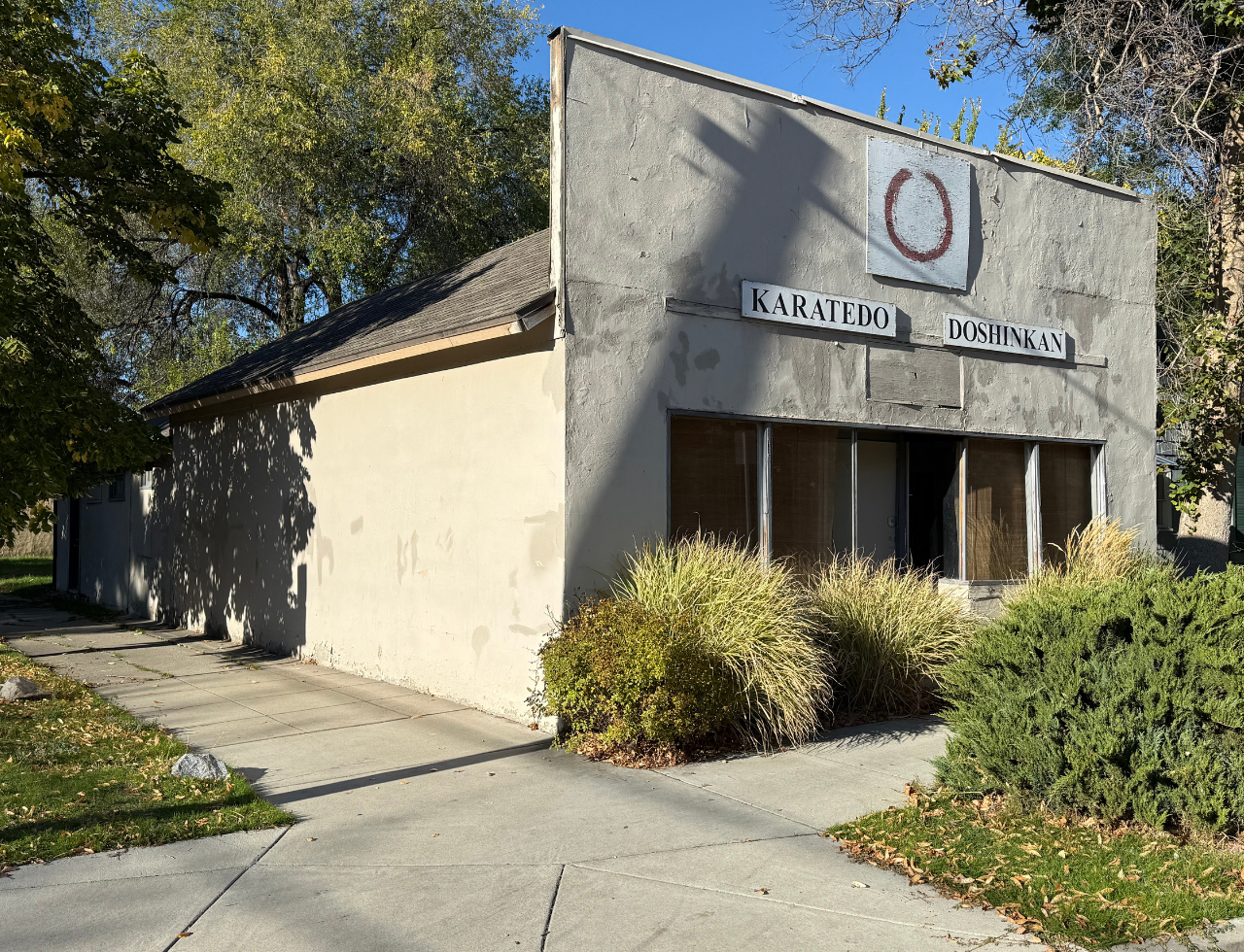
RIVER STREET LOCAL HISTORIC DISTRICT, BOISE
For much of the twentieth century Boise’s River Street was the most ethnically and culturally diverse neighborhood in the city. Accessible to various immigrant groups, de facto redlining also made it home to most of the city’s African American population. Incremental encroachment over decades has resulted in the loss of much of this unique history, but an opportunity still exists to preserve this legacy through the designation of a local historic district. Preservation Idaho seeks to partner with the City of Boise to honor this important but underrepresented story. With Boise's rapid growth, it’s now time to create a River Street Historic District and secure its future.
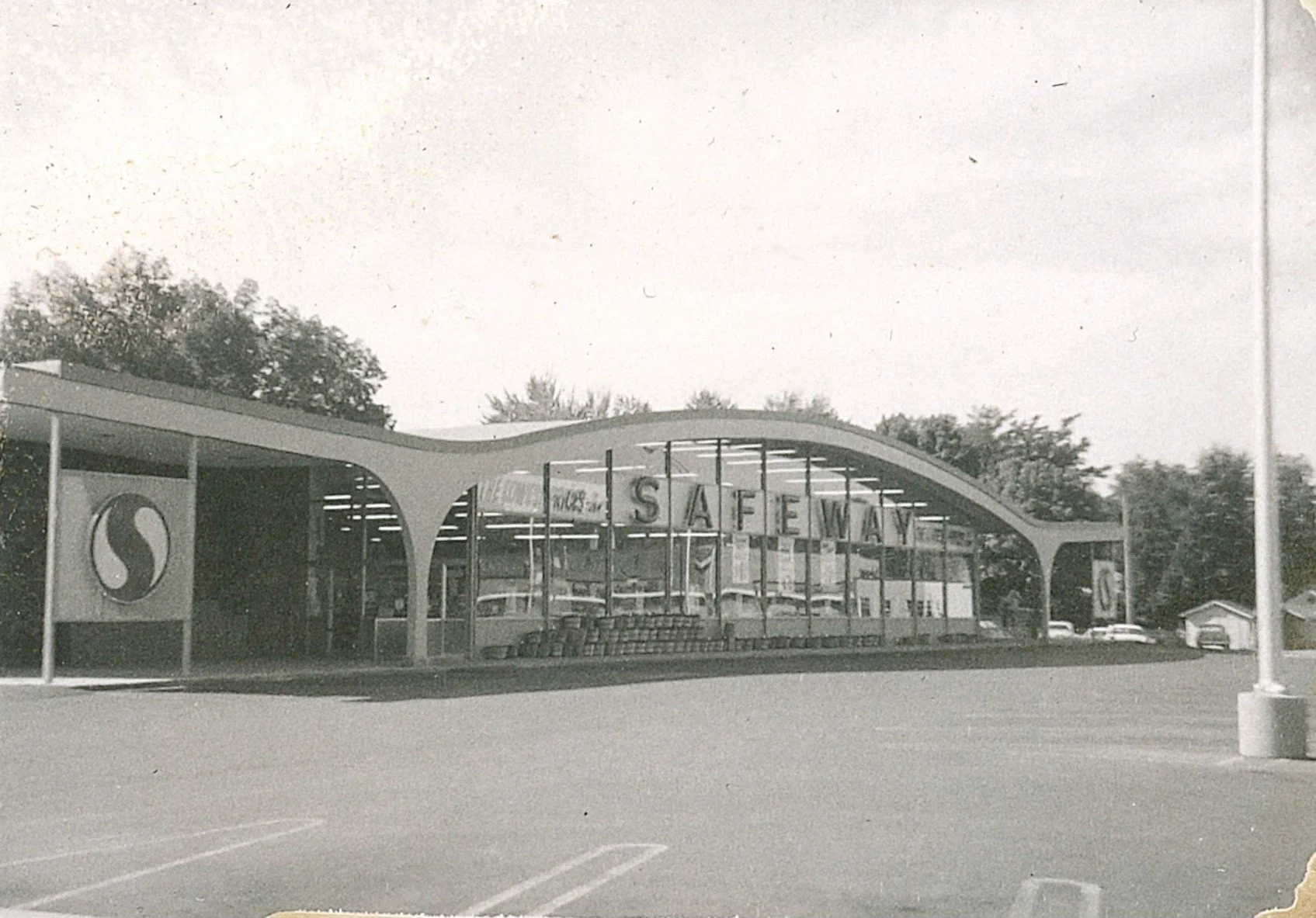
SAFEWAY STORE, BOISE
Built in 1962 and designed by Joe LaMarche of Grider and LaMarche, this former Safeway supermarket at 1515 State Street is one of the city’s modernist masterpieces. Its design, which boasts a neo-expressionist curvilinear roof, reflects the company’s corporate image. Known as the Marina Style of Safeway for the 1959 store on Marina Blvd. in San Francisco, this example incorporates local river cobbles fixed in pre-cast panels and is the best of its type remaining in the state. Having housed a number of tenants over the past six decades, including Rite Aid, the building is currently vacant and vulnerable to redevelopment. Preservation Idaho seeks a new use for the building which respects and retains its memorable modernist design.