
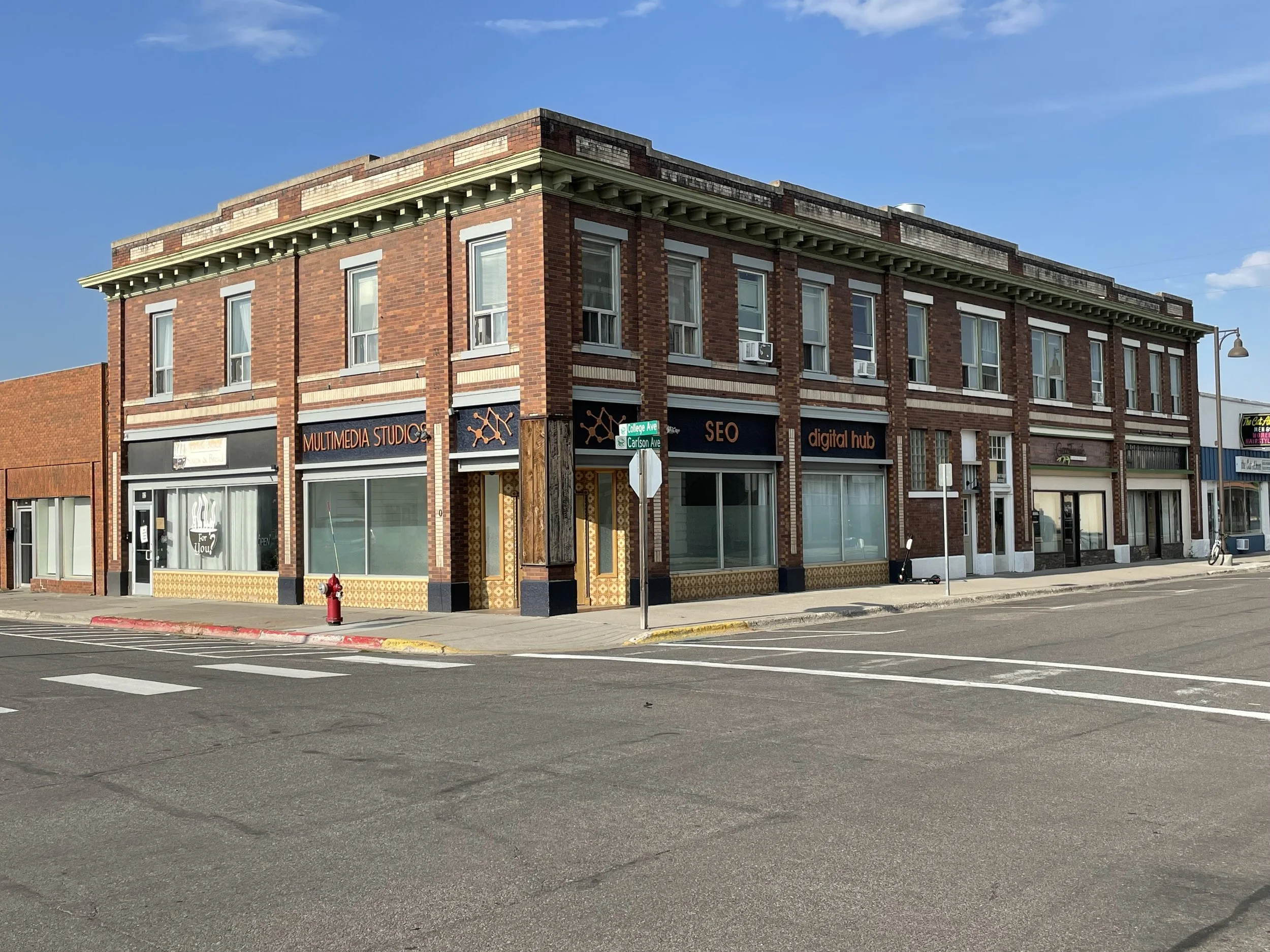
A State Historic Tax Credit For Idaho
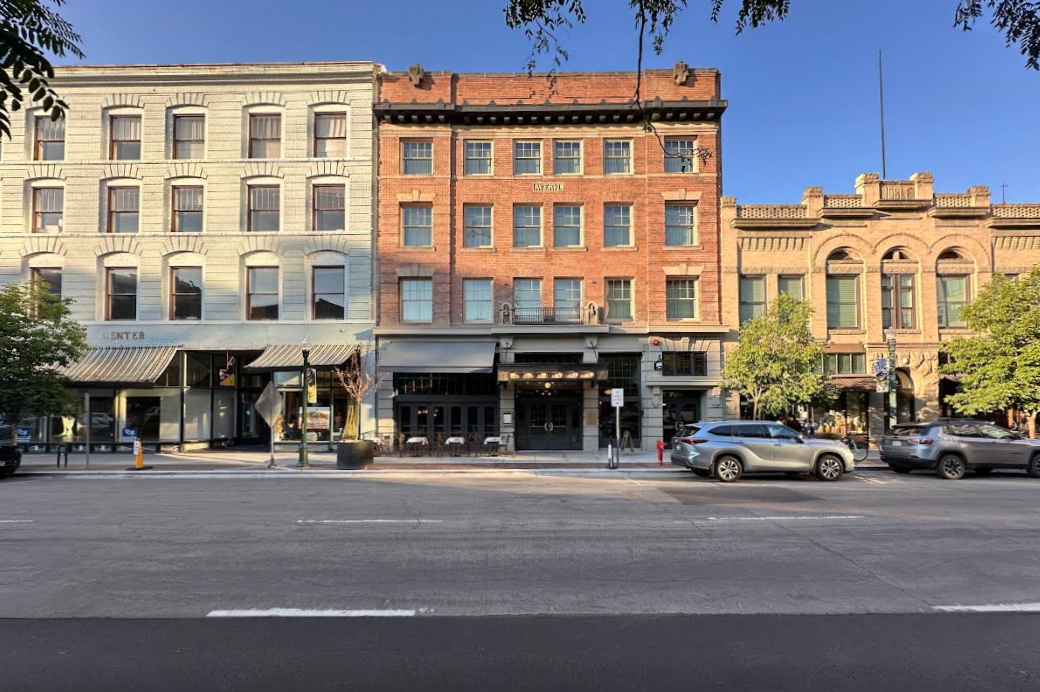
WHAT WE NEED
A state Historic Tax Credit (HTC) program to complement and amplify the Federal Historic Rehabilitation Tax Incentive program and further promote the rehabilitation of historic properties throughout Idaho. The Gem State has been left behind by the 39 other states that offer similar programs proven to revitalize communities and spur economic development.
WHY CREATE A STATE HISTORIC TAX CREDIT?
Make Idaho Competitive. Rehabilitation Tax Credits are a proven economic stimulus tool implemented in some form in 39 of the 50 states. Many of Idaho’s immediate neighbors have tailored a program to meet their own specific needs.
Build on Proven Success. An Idaho HTC would enhance the federal program; The Federal Rehabilitation Tax Incentive program was one of only a handful of tax credits to be retained in the Tax Cuts and Jobs Act passed by Congress in 2017 (Public Law no. 115-97), recognizing the program’s significant positive economic impact.
It’s Good Business. Without a complementary state tax credit, federal HTC projects often can’t ‘pencil out.’ As a result, hard-to-redevelop projects remain vacant while draining local resources and depressing property values. Rehabilitation and Adaptive Reuse brings these properties back onto the tax rolls at a higher value while stimulating local job creation and economic growth for their communities.
More Bang for Your Buck. Economic impact studies show $1 in state tax credits can bring $4 in private investment when structured correctly. In most cases, more than 1/3 of a state’s pending tax credit disbursement is recouped during the construction period through state taxes on construction labor and materials, before the building is placed in service and any tax credits are issued.
Increase Revenues. Sales tax and payroll tax revenue both increase during construction and become more permanent as income-generating tenants move into the rehabilitated commercial buildings. Abandoned or underperforming buildings are placed back onto tax rolls and the increased property values support local services and school districts.
Support the Local Economy. Rehabilitation of existing buildings is generally more labor-intensive and less material intensive, putting more money back into the state’s economy. Local workers have more buying power and materials are more often sourced in close proximity to the project, benefiting Idaho businesses (by contrast, new construction more frequently sources materials out of state or overseas).
Create Less Waste. Avoiding demolition keeps building material out of the landfill.
POTENTIAL COMPONENTS OF IDAHO’S HTC:
Tiered to incentivize economic development in rural communities and housing projects
Minimum $20,000 investment is required
After certified historic rehabilitation is complete, the applicant can deduct the equivalent of 20% of the total certified rehabilitation costs from their state income tax liability
Can be carried forward up to 5 years
Can be transferred to another entity with Idaho state tax liability
5-year owner-holding period, with recapture clause same as the federal historic tax credit
Eligible properties are those certified as historic by the State Historic Preservation Office (SHPO)
Recent Federal Tax Credit Projects in Idaho
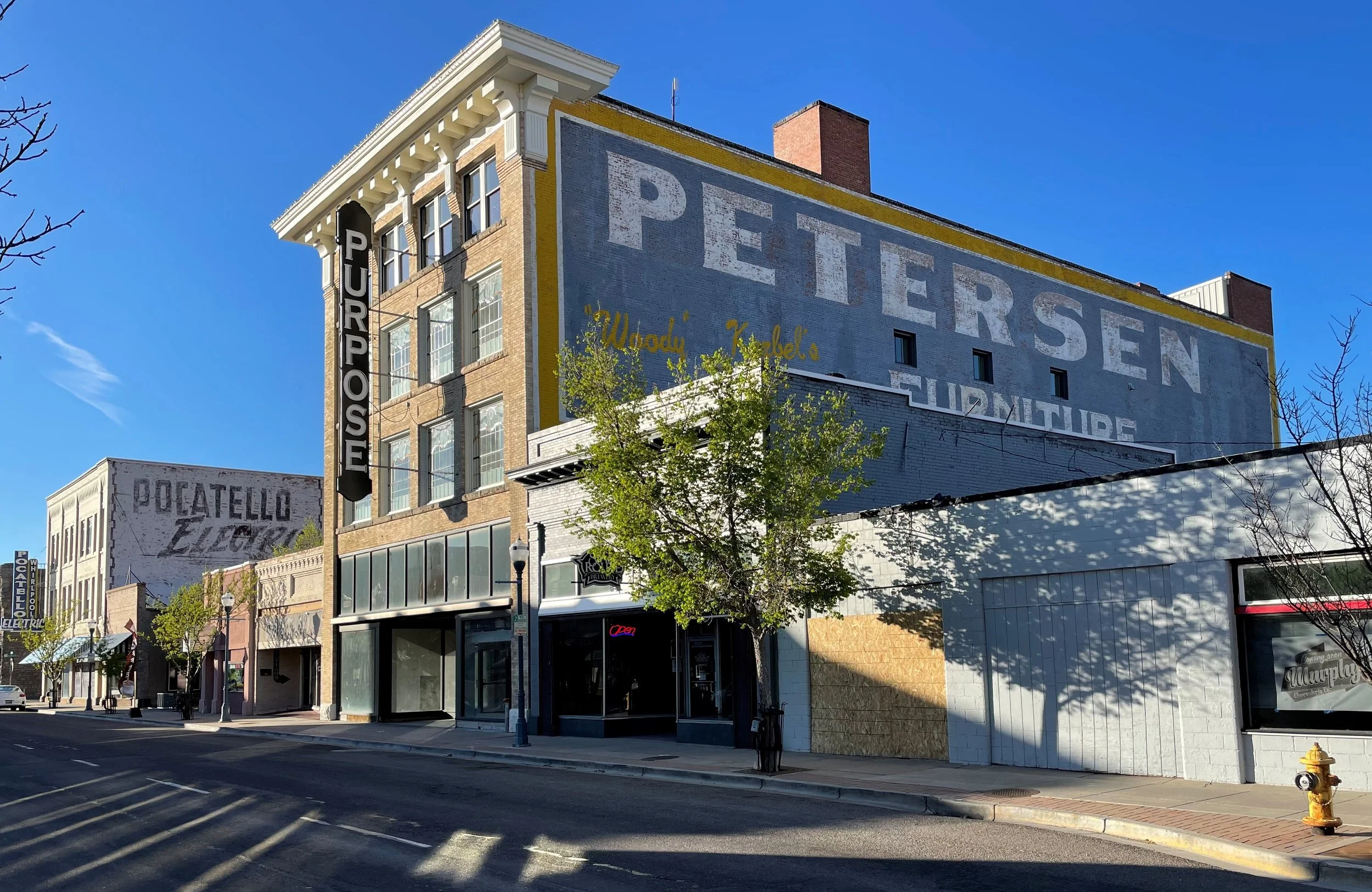
Petersen Building, Pocatello
Completed 2022
Total Qualified Investment: $3,176,623
Total Federal Tax Credit: $635,325
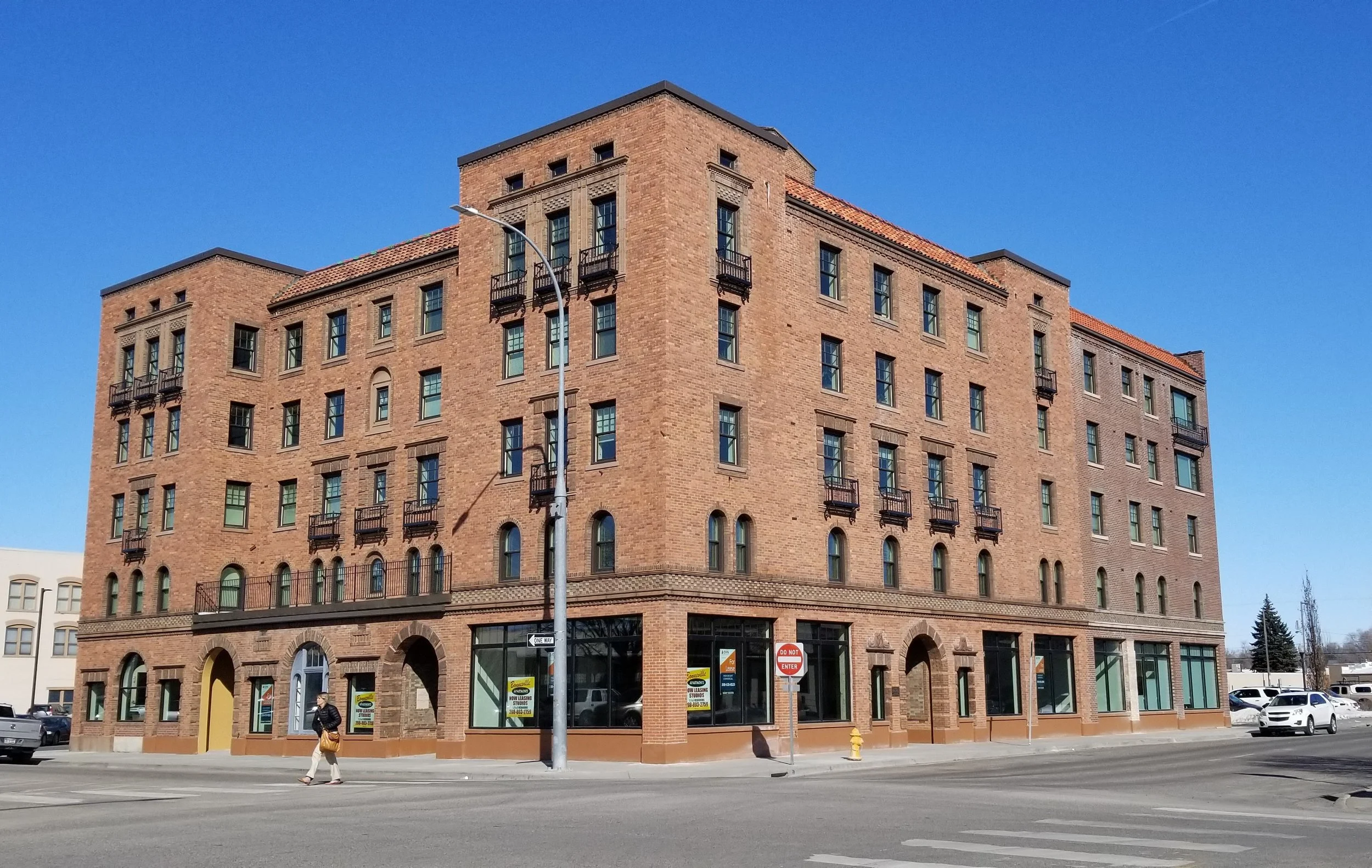
Bonneville Hotel, Idaho Falls
Completed 2020
Total Qualified Investment: $10,124,782
Total Federal Tax Credit: $2,024,956
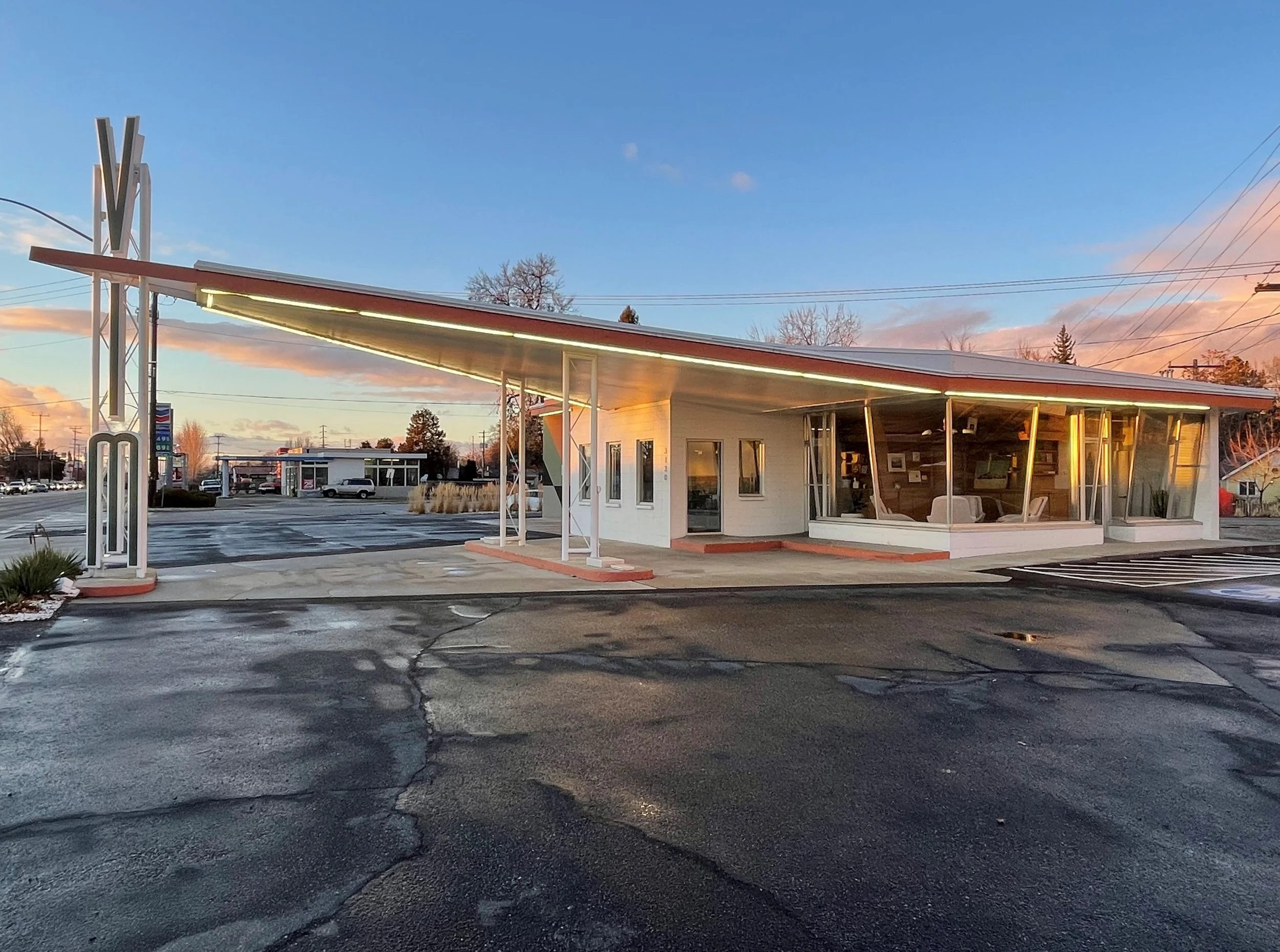
Forty-Four and Sixty-Six State, Boise
Completed 2020
Total Qualified Investment: $157,000
Total Federal Tax Credit: $31,400
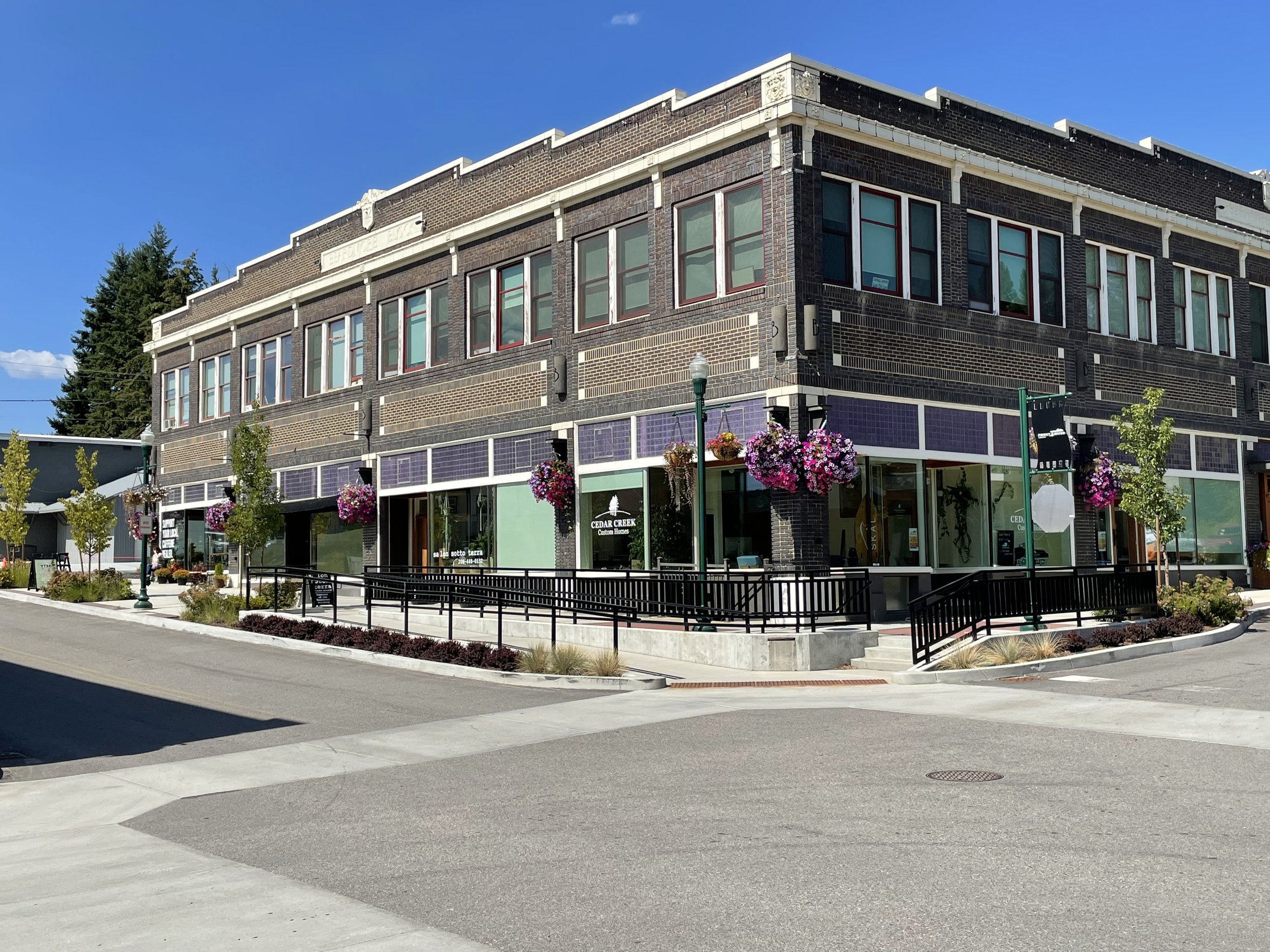
Beardmore Block, Priest River
Completed 2009
Total Qualified Investment: $1,200,000
Total Federal Tax Credit: $240,000